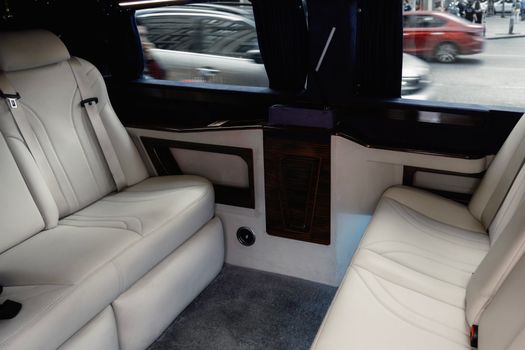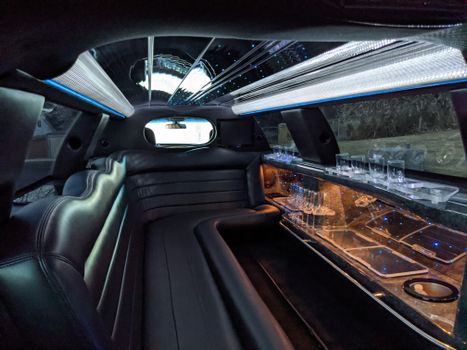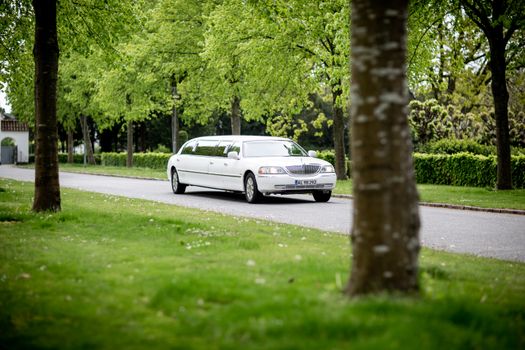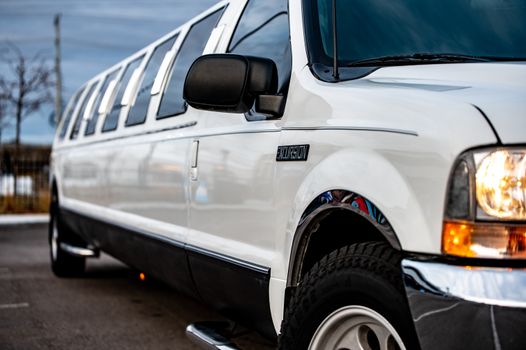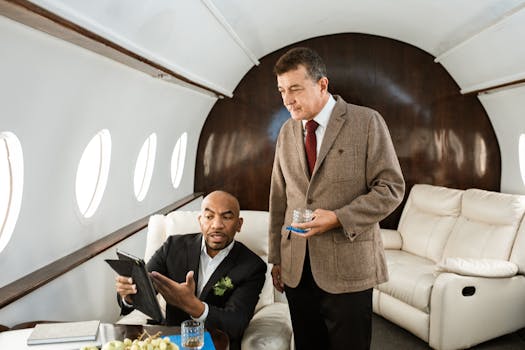
Luxury transportation has always been synonymous with exclusivity, comfort, and status. Historically reserved for dignitaries and the elite, opulent vehicles like limousines, private jets, and yachts have set the gold standard for travel. But as the world has evolved, so too has luxury transportation. In the digital age, advances in technology, changing expectations, and innovative business models have redefined what it means to travel in style. Today, luxury transportation is not just about plush interiors and personal chauffeurs—it’s about seamless digital experiences, sustainability, personalization, and global reach. Let’s explore how the digital era has transformed the luxury transportation landscape and what this means for travelers, operators, and the industry at large.
Digitalization: The Catalyst for Change in Luxury Transport
Digitalization has revolutionized virtually every industry, and luxury transportation is no exception. From booking a private jet with a tap to customizing an in-car experience via a mobile app, technology has reshaped the luxury travel experience.
One of the most significant changes is the rise of digital platforms. According to a 2023 report by Statista, 68% of luxury transportation bookings in North America were made online, compared to just 34% in 2015. This shift isn’t just about convenience; it’s about empowerment. Clients can now compare services, read reviews, select vehicles, and manage itineraries from their smartphones. Companies like Blacklane, JetSmarter, and Uber Lux have set new industry benchmarks by leveraging sophisticated apps and AI-driven algorithms to match clients with the perfect ride.
.png)
Furthermore, digitalization has enabled real-time tracking, dynamic pricing, and contactless payment—features that have become standard expectations in the luxury sector. Elite travelers now demand the same seamless digital experiences they enjoy in other facets of their lives, prompting luxury transport providers to invest heavily in tech infrastructure.
Personalization and Customization: Meeting Unique Client Desires
In the digital age, luxury is no longer defined solely by material extravagance but by the ability to tailor experiences to individual tastes and preferences. Data analytics and AI have empowered luxury transportation companies to anticipate and fulfill unique client desires.
For example, some high-end car services now use AI to remember client preferences, such as temperature settings, preferred drinks, or favorite music playlists. Private jet charter companies offer personalized menus, in-flight entertainment, and even curated experiences at destinations, all managed via digital interfaces. According to a 2022 survey by Virtuoso, 82% of luxury travelers rated “personalization” as the most important aspect of their journey.
Moreover, digital platforms enable clients to customize routes, add amenities, and coordinate with other services (such as hotel check-ins or restaurant bookings) in real time. This integration blurs the lines between transportation and hospitality, creating a holistic luxury experience that extends far beyond simply getting from point A to point B.
Sustainability: The New Luxury Imperative
Sustainability has emerged as a key driver in the transformation of luxury transportation. As digital platforms make information more accessible, clients are increasingly aware of their environmental impact—and they expect luxury transport providers to share their values.
Electric limousines, hybrid yachts, and carbon-neutral private jets are no longer futuristic concepts; they’re current offerings. In 2023, Tesla’s Model X and Model S were among the top requested vehicles for luxury car services in major US cities, according to Limo Anywhere. Similarly, companies like VistaJet and NetJets have committed to carbon offset programs, allowing clients to book flights that are environmentally responsible.
Digital transparency has made it easier for clients to verify the sustainability credentials of their providers, with many companies displaying real-time CO2 tracking and offset statistics on their booking platforms. This shift isn’t just a moral imperative—it’s a business one. According to a 2023 Bain & Company report, 67% of luxury consumers under 40 consider sustainability a deciding factor when selecting transportation services.
Globalization and Instant Connectivity: Expanding Horizons
The digital age has made the world smaller, and luxury transportation is at the forefront of this change. Today’s elite travelers demand access to global networks—be it a last-minute helicopter charter in Paris or a chauffeured Rolls-Royce in Dubai.
Online platforms and apps have facilitated this globalization. Companies now offer multi-city bookings, 24/7 concierge support, and instant communication, all managed from a single interface. In 2022, Blacklane expanded its service to over 50 countries, offering consistent standards of luxury and professionalism worldwide.
This global reach is powered by digital infrastructure—cloud-based booking systems, multilingual customer service, and real-time GPS tracking. Elite travelers can coordinate complex itineraries with ease, enjoying the same VIP experience whether they’re in New York, Tokyo, or Cape Town.
Comparing Classic and Digital-Age Luxury Transportation Experiences
To illustrate the magnitude of change, let’s compare classic luxury transportation with its digital-age counterpart across key metrics:
| Feature | Classic Luxury Transportation | Digital-Age Luxury Transportation |
|---|---|---|
| Booking Process | Phone calls, personal contacts, advance scheduling | Instant online/app booking, real-time availability |
| Personalization | Limited, based on operator’s memory or client’s effort | AI-driven, remembers client preferences, digital customization |
| Transparency | Opaque pricing, little visibility into credentials or impact | Dynamic pricing, transparent driver/vehicle info, sustainability data |
| Global Reach | Local/regional focus, limited cross-border coordination | Seamless global coverage, multi-city booking via app |
| Sustainability | Rarely considered, limited eco-friendly options | Electric/hybrid fleets, carbon offset, real-time impact tracking |
| Client Support | Business hours, manual coordination | 24/7 digital concierge, integrated support channels |
The Impact of Emerging Technologies on Luxury Transport
Beyond digital booking and personalization, emerging technologies are set to further disrupt luxury transportation. Autonomous driving, augmented reality (AR), and blockchain are already making their mark.
Autonomous vehicles, for instance, promise a future where luxury travelers enjoy the ultimate in privacy and convenience. Companies like Mercedes-Benz and Tesla are pioneering semi-autonomous features in their flagship luxury models, with full autonomy on the horizon. According to McKinsey, by 2030, up to 15% of new luxury vehicles sold may feature Level 4 autonomy (full self-driving in defined areas).
Augmented reality is also enhancing the in-vehicle experience. Some high-end transportation services now offer AR-powered entertainment or navigation, allowing passengers to explore city landmarks or customize their journey in entirely new ways.
Blockchain, meanwhile, offers secure, transparent transactions and verifiable credentials—a boon for high-value, cross-border bookings. Several luxury yacht and jet charter companies have begun accepting cryptocurrency payments and using blockchain to manage ownership and maintenance records.
Challenges and Opportunities Ahead for Luxury Transportation
While the digital transformation brings immense benefits, it also presents challenges. Data privacy and cybersecurity are paramount concerns, as luxury clients expect their personal information—and travel itineraries—to remain confidential. In 2022, the luxury transportation sector reported a 30% rise in attempted cyberattacks, according to Cybersecurity Ventures.
Another challenge is maintaining the human touch. As automation increases, luxury transport providers must strike a balance between digital efficiency and personalized, human-centric service. The most successful companies will be those that use technology to enhance—not replace—the bespoke experience that defines true luxury.
Finally, the industry must adapt to shifting societal values. Younger luxury travelers prioritize sustainability, authenticity, and social responsibility alongside comfort and status. Providers that embrace these values and communicate them transparently through digital channels will be best positioned for the future.
Luxury Transportation in the Digital Age: A New Paradigm
The transformation of luxury transportation in the digital age is profound and far-reaching. No longer just about plush seats or expensive finishes, luxury now encompasses seamless digital experiences, personalized service, global accessibility, and a commitment to sustainability. Digitalization has empowered travelers, elevated standards, and opened the doors to innovation, from AI-driven customization to autonomous vehicles and blockchain-secured transactions.
As technology continues to evolve, so too will the definition of luxury transportation. The winners in this space will be those who combine cutting-edge digital infrastructure with the timeless hallmarks of luxury—discretion, comfort, and impeccable service—creating experiences that are as memorable as the destinations themselves.