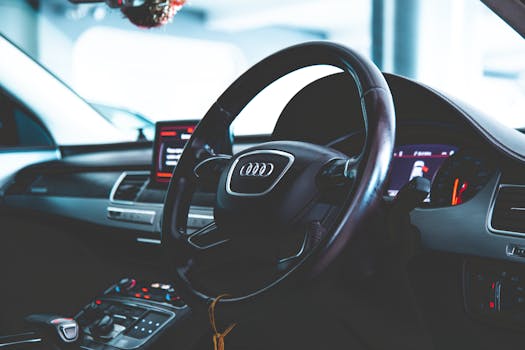
The automotive world is on the cusp of a revolution, with autonomous luxury vehicles poised to redefine how we perceive both driving and indulgence. No longer just a concept from science fiction, self-driving luxury cars are becoming a tangible reality, blending cutting-edge technology with opulent comfort. As leading automakers and tech giants race to perfect these vehicles, consumers are left to wonder: What exactly does the future hold for autonomous luxury vehicles? This article delves deep into this exciting frontier, exploring innovations, challenges, market trends, real-world applications, and how these vehicles will shape our lives in the years to come.
The Evolution of Luxury Cars: From Horsepower to Smart Power
Luxury vehicles have long been synonymous with advanced engineering, plush interiors, and a status symbol for discerning drivers. The early 20th century saw the likes of Rolls-Royce and Cadillac setting the benchmark for prestige and comfort. However, the definition of luxury is rapidly evolving. Today, the focus is shifting from horsepower and handcrafted leather to something more profound: intelligence and autonomy.
In 2021, global sales of luxury cars reached 8.8 million units, with brands like Mercedes-Benz, BMW, and Tesla leading the charge. These companies are now heavily investing in autonomous technologies, recognizing that future luxury will be measured by the ability of a car to drive itself safely, seamlessly, and stylishly. The rise of electric vehicles (EVs) has accelerated this trend, as electric drivetrains and digital interfaces are a natural fit for the complex systems enabling self-driving capabilities.
.png)
Key Technologies Powering Autonomous Luxury Vehicles
The magic behind autonomous luxury vehicles lies in a confluence of advanced technologies. Several critical components set these cars apart:
1. Sensor Fusion: Autonomous cars rely on a network of lidar, radar, ultrasonic sensors, and high-resolution cameras to perceive their surroundings. For example, the 2023 Mercedes-Benz S-Class uses over 15 sensors to achieve Level 3 autonomy, enabling hands-free driving under certain conditions. 2. Artificial Intelligence (AI): Machine learning algorithms interpret sensor data, make split-second decisions, and learn from vast datasets. Tesla’s Full Self-Driving (FSD) suite, powered by custom AI chips, processes over 144 trillion operations per second. 3. Connectivity: High-speed 5G and vehicle-to-everything (V2X) communication allow cars to share information with infrastructure, other vehicles, and cloud services. Audi’s Traffic Light Information system, available in over 10,000 intersections in the US, exemplifies early V2X deployment. 4. Redundant Safety Systems: Premium automakers integrate multiple fail-safes, such as backup power, emergency braking, and driver monitoring, to ensure reliability. Volvo, for instance, commits to “zero deaths” in its new generation of autonomous vehicles, using layers of redundancy.How Autonomous Luxury Vehicles Will Transform the Passenger Experience
The move to full autonomy enables a radical reimagining of the in-car experience, particularly in the luxury segment:
- Personalized Comfort: Future autonomous luxury vehicles will feature adaptive interiors, where seats recline or rotate, temperature and lighting are individually controlled, and entertainment systems offer immersive audio-visual experiences. The BMW i7, launched in 2023, features a 31-inch 8K “Theatre Screen” in the rear cabin, turning the car into a mobile cinema. - Productivity on the Go: With no need to focus on driving, passengers can work, hold virtual meetings, or even attend to personal care. According to a 2022 McKinsey report, American commuters could gain up to 50 minutes of free time per day with widespread adoption of autonomous vehicles. - Bespoke Services: Some automakers envision on-demand concierge services, in-car wellness options, and AI-powered personal assistants. Imagine a vehicle that pre-orders your favorite drink or syncs with your calendar to optimize your route and schedule. - Enhanced Safety: Luxury autonomous vehicles aim for accident rates ten times lower than human-driven cars. Industry leaders like Waymo and Tesla report millions of autonomous miles driven with lower incident rates compared to national averages.Market Leaders and Trailblazers: Who’s Winning the Race?
A select group of automakers and tech companies are vying for dominance in the autonomous luxury segment. Here’s how some of the top contenders compare:
| Brand | Autonomy Level (2024) | Flagship Model | Estimated Price | Unique Feature |
|---|---|---|---|---|
| Mercedes-Benz | Level 3 | S-Class Drive Pilot | $110,000+ | Certified Level 3 on German highways |
| Tesla | Level 2+ | Model S Plaid | $89,990+ | Full Self-Driving (beta) with OTA updates |
| BMW | Level 2+ | i7 | $119,300+ | Automated valet parking and “Theatre Screen” |
| Audi | Level 2 | A8 | $86,500+ | Traffic Jam Pilot (pending full release) |
| Lucid Motors | Level 2 | Air Dream Edition | $169,000+ | DreamDrive Pro with 32 sensors |
As the table demonstrates, while no automaker has achieved full Level 4 or 5 autonomy in consumer vehicles as of 2024, significant progress is being made. Mercedes-Benz became the first to receive regulatory approval for Level 3 autonomy on public roads in Germany, while Tesla’s FSD continues to expand its capabilities through over-the-air updates.
Challenges Facing the Autonomous Luxury Vehicle Revolution
Despite breathtaking advances, the road to fully autonomous luxury vehicles is not without obstacles:
- Regulatory Hurdles: The legal framework for autonomous vehicles differs across countries and even states. As of 2024, only a handful of regions, such as parts of Germany and Nevada, allow Level 3 operation for consumer vehicles. - High Costs: The integration of advanced sensors, AI processors, and redundant safety systems significantly increases production costs. For example, the lidar systems in some premium models can add $10,000 or more to the vehicle’s price. - Public Trust and Perception: According to a 2023 AAA survey, 68% of Americans reported feeling unsafe about riding in a fully autonomous car. Manufacturers must bridge this trust gap through rigorous testing and transparent communication. - Ethical and Cybersecurity Concerns: Questions remain about how self-driving systems will handle ethical dilemmas in split-second scenarios, as well as how to safeguard vehicles from hacking. - Infrastructure Readiness: Autonomous luxury vehicles rely on high-definition maps and connected infrastructure. Widespread adoption will require significant investments in smart roads and V2X networks.Real-World Applications and the Road Ahead
Autonomous luxury vehicles are not just rolling showcases of technology—they promise to revolutionize transportation in tangible ways:
- Personalized Mobility: Premium ride-hailing services, such as those piloted by Waymo and Uber, could offer fleets of autonomous luxury cars for on-demand travel. In 2022, Waymo’s autonomous vehicles completed over 700,000 paid rides in Phoenix, Arizona. - Urban Redesign: With less need for parking and improved traffic flow, experts predict cities could reclaim up to 30% of urban land currently dedicated to parking, transforming cityscapes and real estate. - Accessibility: Autonomous luxury vehicles can provide newfound freedom for elderly or disabled individuals who are unable to drive themselves, enhancing quality of life. - Environmental Impact: The combination of electric drivetrains and optimized driving algorithms could reduce emissions. The International Energy Agency estimates that autonomous EVs, if widely adopted, could lower global CO2 emissions by up to 1.3 gigatons per year by 2040.The Next Decade: What to Expect
Looking forward, several trends are likely to shape the evolution of autonomous luxury vehicles:
- Gradual Expansion of Autonomy: By 2030, it is projected that 12% of new vehicles sold globally will feature Level 3 or higher automation, with the luxury segment leading adoption. - Integration with Smart Ecosystems: Expect luxury vehicles to become integral parts of larger smart home and city networks, anticipating the needs of their occupants and seamlessly connecting with other devices. - Democratization of Features: As costs decrease, features once exclusive to flagship models will trickle down to more affordable luxury vehicles, much as airbags and navigation systems did in past decades. - Focus on Sustainability: From recycled materials to zero-emission drivetrains, eco-consciousness will be as integral to luxury as comfort and technology.Conclusion
The future of autonomous luxury vehicles is rich with possibility—a fusion of technological prowess, environmental stewardship, and unprecedented comfort. While significant challenges remain, the progress made thus far is nothing short of remarkable. As automakers and tech companies continue to innovate, we stand on the threshold of a new era where luxury means more than exquisite materials or a powerful engine. It will mean freedom, time, and experiences bespoke to every passenger. The days of simply driving may soon give way to journeys defined by relaxation, productivity, and personalization—all at the touch of a button.