The Rise of Eco-Friendly Luxury Cars in the Limo Service Industry
In recent years, the limousine service industry has undergone a remarkable evolution. Once defined by stretch limos and roaring V8 engines, today’s luxury transportation sector is embracing a new era: eco-friendly luxury vehicles. Environmental concerns, technological innovation, and changing customer expectations are driving this trend. As a result, green limousines and electric luxury cars are no longer novelties—they are fast becoming the new gold standard for discerning travelers and forward-thinking limo operators alike.
This article explores the rise of eco-friendly luxury cars in the limo service industry, examining the forces behind the shift, the vehicles leading the charge, the business and environmental impacts, and what the future holds for sustainable luxury transportation.
Why Eco-Friendly Luxury Cars are Gaining Popularity in Limo Services
The demand for sustainable luxury is at an all-time high. According to a 2023 survey by Statista, 57% of U.S. consumers said they would pay more for eco-friendly transportation options. This growing environmental awareness is directly impacting the limousine industry, where clients—especially corporate and high-profile clientele—are increasingly seeking green alternatives for their travel needs.
.png)
There are several key drivers behind this shift:
1. $1: Many cities and states are introducing stricter emissions standards. New York City, for example, has set a goal for all for-hire vehicles to be zero-emission by 2030. 2. $1: Companies are under more pressure than ever to report and reduce their carbon footprints. Choosing green transportation is now a part of corporate sustainability efforts. 3. $1: Electric vehicles (EVs) and plug-in hybrids have reached new heights in performance, range, and luxury, making them viable for premium ground transport. 4. $1: Riding in an eco-friendly luxury car projects a modern, responsible image—a crucial differentiator in a competitive industry.These trends are not just shaping consumer preferences, but also rewriting the playbook for limo service providers.
Electric and Hybrid Luxury Cars Leading the Fleet Revolution
The luxury car market has responded to eco-conscious demand with a wave of electric and hybrid models that combine sustainability, performance, and opulence. Some of the standout vehicles now seen in high-end limo fleets include:
- $1: Tesla’s all-electric sedans and SUVs have become icons of green luxury, offering up to 405 miles of range per charge (Model S) and high-tech interiors featuring panoramic roofs and advanced infotainment systems. - $1: Launched in 2021, the EQS is the flagship of Mercedes’ electric lineup. With a range of up to 350 miles and a lavish, tech-filled cabin, it is quickly becoming a favorite for premium limo services. - $1: Introduced in 2023 as the electric sibling to the legendary 7 Series, the i7 boasts a range of 318-387 miles and a rear-seat entertainment experience unmatched in its class. - $1: As a luxury hybrid sedan, the LS 500h offers a blend of electric efficiency and traditional comfort, with up to 28 miles per gallon in city driving.The following table compares some of the top eco-friendly luxury cars used in limo services:
| Model | Type | Range (miles) | Charging Time (to 80%) | Passenger Capacity |
|---|---|---|---|---|
| Tesla Model S | All-Electric | 405 | 30 min (Supercharger) | 5 |
| Mercedes EQS | All-Electric | 350 | 31 min (Fast Charge) | 5 |
| BMW i7 | All-Electric | 387 | 34 min (DC Fast Charge) | 5 |
| Lexus LS 500h | Hybrid | NA (28 mpg city) | NA | 5 |
These vehicles demonstrate that today’s green luxury cars do not compromise on performance, space, or style.
Environmental and Economic Benefits for Limo Companies
Transitioning to eco-friendly luxury cars brings substantial benefits to limo service providers—not only for the planet, but for the bottom line as well.
$1 Electric and hybrid vehicles are significantly cheaper to operate. The U.S. Department of Energy estimates that fueling an EV costs about 60% less per mile than a gasoline car. Additionally, EVs have fewer moving parts, resulting in up to 50% lower maintenance and repair costs over their lifetime.
$1 Many regions offer financial incentives to fleet operators who purchase zero-emission vehicles. For example, the federal government offers up to $7,500 in tax credits per EV, and some states add additional rebates or grants.
$1 As emission regulations tighten, resale values for traditional gas-powered limousines are expected to decline, while the demand for clean vehicles is likely to rise.
$1 Offering sustainable luxury options attracts new clients and secures repeat business from environmentally conscious customers and companies.
According to a 2022 Frost & Sullivan report, the share of electric and hybrid vehicles in the global chauffeured transportation market is projected to reach 35% by 2028, up from just 11% in 2021.
Challenges and Considerations in Adopting Green Luxury Fleets
While the benefits are substantial, the transition to eco-friendly luxury cars is not without challenges.
$1 One of the biggest hurdles, especially for all-electric vehicles, is the availability of fast and reliable charging stations. In the U.S., as of 2023, there are about 130,000 public charging ports, but coverage can be uneven, particularly outside major metropolitan areas.
$1 Luxury EVs and hybrids typically come with a higher sticker price than their gasoline counterparts. For example, the Mercedes-Benz EQS starts at around $104,000, compared to $95,000 for a similarly equipped S-Class.
$1 For long-distance or all-day bookings, limo operators must carefully plan routes and charging schedules to ensure seamless service.
$1 EVs require different handling, charging, and maintenance routines, necessitating new training for chauffeurs and fleet managers.
Despite these hurdles, the rapid expansion of charging networks and ongoing reductions in battery costs are making green fleets more practical than ever before.
Client Experience: Luxury Without Compromise
One of the primary concerns for clients booking a limo is the quality of the experience. Today’s eco-friendly luxury cars are designed to exceed those expectations.
$1 Electric drivetrains deliver near-silent operation, providing a more serene cabin environment—ideal for business travelers and VIPs seeking privacy and comfort.
$1 Features like advanced climate control, customizable ambient lighting, and rear-seat entertainment screens are standard in many green luxury models.
$1 Arriving in a sleek, zero-emission vehicle makes a strong, positive statement about a client or company’s values.
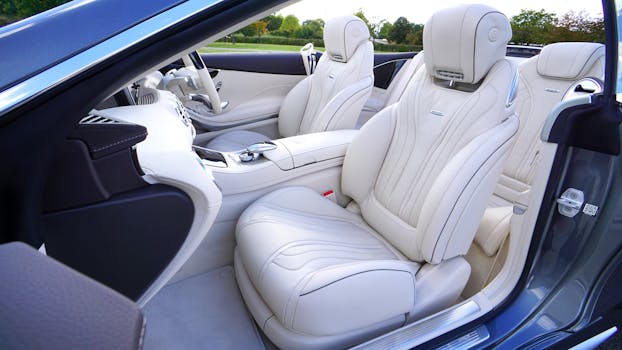
$1 Many new electric luxury cars offer increased interior room due to the compactness of electric motors and the placement of batteries under the floor.
For example, the BMW i7 features a 31-inch 8K rear display and reclining massage seats, while the Mercedes EQS pampers passengers with a “hyperscreen” dashboard and air purification systems.
The Future of Eco-Friendly Luxury in Limo Services
The momentum behind eco-friendly luxury cars in the limo industry is only accelerating. Key trends shaping the future include:
- $1 Major operators like Blacklane and Addison Lee have pledged to electrify their fleets by 2030. - $1 New batteries are boosting range and reducing charging times, making EVs viable for longer, more demanding routes. - $1 The introduction of electric luxury SUVs and people-movers is allowing limo services to offer green options for larger groups and special events. - $1 Digital booking, real-time tracking, and seamless payment systems are enhancing the green limo experience.By 2035, analysts predict that eco-friendly vehicles could comprise over 50% of all new limo fleet acquisitions in North America.
Conclusion
Eco-friendly luxury cars are transforming the limo service industry, delivering the comfort, prestige, and exclusivity clients expect—while slashing emissions and operating costs. With technological advances, regulatory support, and growing consumer demand, green limousines are set to become the new industry benchmark. Limo operators who invest in sustainable luxury today will not only future-proof their businesses but also help lead the charge toward a cleaner, smarter, and more elegant future for transportation.